FOTON G7 Pick Up Truck Review: A 4×4 Diesel Workhorse for Africa's Toughest Jobs
Built for Load, Not Just for Show
The G7's foundation is a reinforced high-tensile steel chassis — a detail that separates commercial-rated pickups from their passenger-oriented counterparts. High-tensile steel offers a better strength-to-weight ratio than conventional steel, meaning the frame resists twisting and fatigue under heavy payloads without adding unnecessary mass. For operators carrying construction materials, agricultural produce, or field equipment over rough terrain, a chassis that stays straight after months of abuse is not a luxury — it is a minimum requirement.
The industrial-grade exterior is another practical choice. This is not a vehicle designed for showroom appeal; the body panels and protective elements are specified for durability in environments where scratches from branches, stone chips from gravel roads, and exposure to sun and dust are daily realities. The trade-off is straightforward: less cosmetic refinement in exchange for a vehicle that still looks professional after two years on a mine site.
4×4 Drivetrain — Not Optional, Standard
One of the G7's defining features is that the 4×4 heavy-duty system comes as standard equipment, not a premium upgrade. In the commercial pickup segment, many manufacturers offer 4×2 as the base configuration and charge a significant premium for four-wheel drive. Foton's decision to make 4×4 standard on the G7 reflects the vehicle's intended use case: this is a truck designed for operators who need all-wheel traction as a baseline, not a checkbox option.
The practical significance for African buyers is clear. During rainy seasons, unpaved roads turn to mud. On construction sites, loose soil and gravel demand traction that a 4×2 simply cannot deliver once the rear wheels start spinning. For agricultural operations, crossing wet fields or climbing unpaved inclines with a loaded bed requires all four wheels working. A standard 4×4 system means the G7 is ready for these conditions straight off the shipping container, without requiring aftermarket modifications or expensive drivetrain upgrades.
Turbo Diesel Power — Designed for Torque, Not Speed
The G7 is powered by a high-efficiency turbo diesel engine. While Foton does not publish exact displacement, horsepower, or torque figures on the product page, the emphasis on "high torque" and "load performance" tells you what matters: this engine is tuned for pulling power at low and mid-range engine speeds, not for acceleration times or top-speed bragging rights.
This is the correct engineering choice for a commercial work truck. Diesel engines deliver peak torque at lower RPMs than petrol alternatives, which means better fuel efficiency under load, less gear-shifting on inclines, and longer engine life — all of which translate directly into lower operating costs over the vehicle's service life. For fleet managers calculating total cost of ownership, a turbodiesel that works efficiently at 2,000–3,000 RPM while carrying a full payload is the right tool for the job.
Diesel fuel is also widely available across African markets, and diesel engines are generally more tolerant of variable fuel quality than modern direct-injection petrol engines — a relevant consideration for operators refueling in remote areas where premium-grade fuel is not guaranteed.
Where the G7 Fits — Application Scenarios
The G7 is positioned for three primary operating environments:
Construction and Engineering
Job sites demand vehicles that carry tools, materials, and small equipment across terrain that is often unpaved, uneven, and littered with debris. The G7's 4×4 system, reinforced chassis, and high ground clearance make it suitable for site-to-site transport, crew movement, and light equipment hauling. It is not a substitute for a dump truck — but it fills the gap between a sedan that cannot handle the terrain and a heavy truck that is too large for quick site runs.
Agricultural Logistics
Farms and agricultural operations need vehicles that move produce from field to market, transport inputs like seed and fertilizer, and navigate unpaved rural roads in all weather conditions. The G7's load capacity and off-road capability align with these requirements, and the diesel powertrain keeps fuel costs manageable even with daily high-mileage use.
Remote Field Operations
Survey teams, utility maintenance crews, mining exploration units, and infrastructure inspection teams often operate in areas where the nearest paved road is hours away. The G7's combination of all-wheel drive, durable construction, and diesel range makes it a candidate for these roles — particularly where reliability and self-sufficiency are more important than cabin luxury.
Running Costs and Maintenance Considerations
For fleet operators, the purchase price is only the starting point. The more important numbers are the ones that accumulate over the vehicle's working life. On the G7, several design choices point toward manageable running costs:
Turbo diesel efficiency: Diesel engines in this class typically deliver 8–12 liters per 100 km under mixed conditions. The turbocharger improves combustion efficiency, which should translate into competitive fuel consumption for the vehicle's size and capability.
4×4 system maintenance: A part-time or on-demand 4×4 system requires periodic checks of transfer case fluid, front differential oil, and drive shaft joints. These are standard service items that any workshop familiar with commercial vehicles can handle.
Parts availability: Foton has an established dealer and distributor presence in multiple African markets. Common wear items — brake pads, filters, belts, suspension bushings — are generally accessible through Foton's spare parts network.
Service accessibility: The G7's mechanical specification — turbo diesel engine, manual or conventional automatic transmission, body-on-frame construction — means it can be serviced by independent workshops with general commercial vehicle experience. This reduces dependency on authorized dealer service centers, which may be scarce outside major cities.
Shipping and Delivery Options
For African importers, vehicle logistics are part of the procurement equation. The G7 is shipped using standard heavy-vehicle logistics methods: bulk vessel, Roll-on/Roll-off (Ro-Ro) carrier, or flat rack container. Each option has trade-offs in cost, transit time, and vehicle protection, and the optimal choice depends on the destination port and order volume. A professional exporter will guide buyers through these options and provide a landed cost estimate that includes freight, insurance, and estimated import duties.
What to Confirm Before Ordering
As with any commercial vehicle import, certain specifications should be verified directly with the exporter before signing a purchase agreement:
Exact engine displacement, power output (kW/PS), and torque (Nm)
Transmission type and number of gears
Payload rating and towing capacity
Fuel tank capacity and estimated range
Ground clearance, approach angle, and departure angle
Warranty coverage — scope, duration, and whether it applies in the destination country
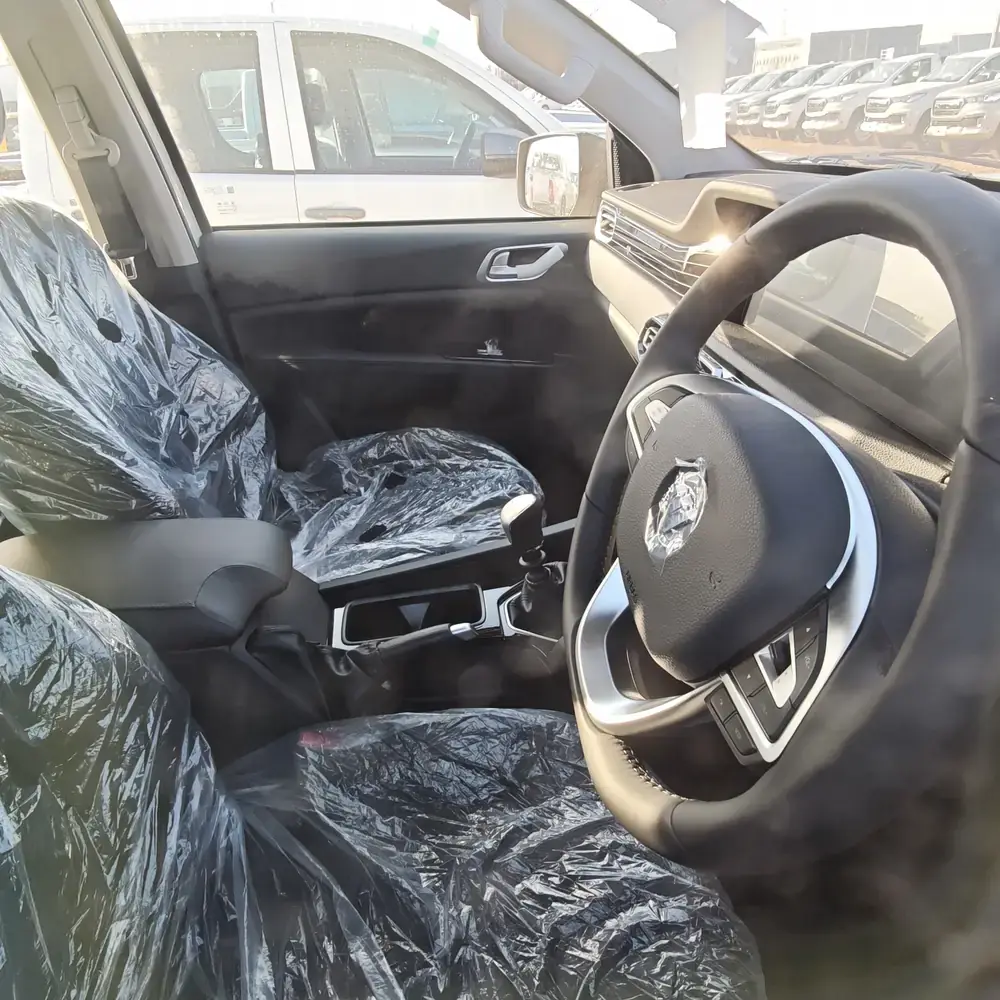
Availability of right-hand-drive configuration for applicable markets
Shipping method, estimated transit time, and port of discharge
Taking the time to confirm these details before ordering avoids misunderstandings and ensures the vehicle matches the intended use case.
Conclusion
The FOTON G7 Pick Up Truck is not trying to be a lifestyle vehicle. It is a commercial work tool — built around a reinforced chassis, standard 4×4, and a turbo diesel engine tuned for load-bearing torque rather than speed. For construction firms, agricultural operations, and remote field teams across Africa, it represents a practical option in a segment where capability and durability matter more than brand prestige.
The vehicle's value proposition rests on its specifications rather than its marketing. A factory-standard heavy-duty 4×4 system, a high-tensile steel frame, and an industrial-grade exterior designed for harsh environments are features that directly impact uptime, maintenance costs, and service life. For fleet managers making procurement decisions based on total cost of ownership rather than sticker price alone, the G7 deserves a place on the shortlist.
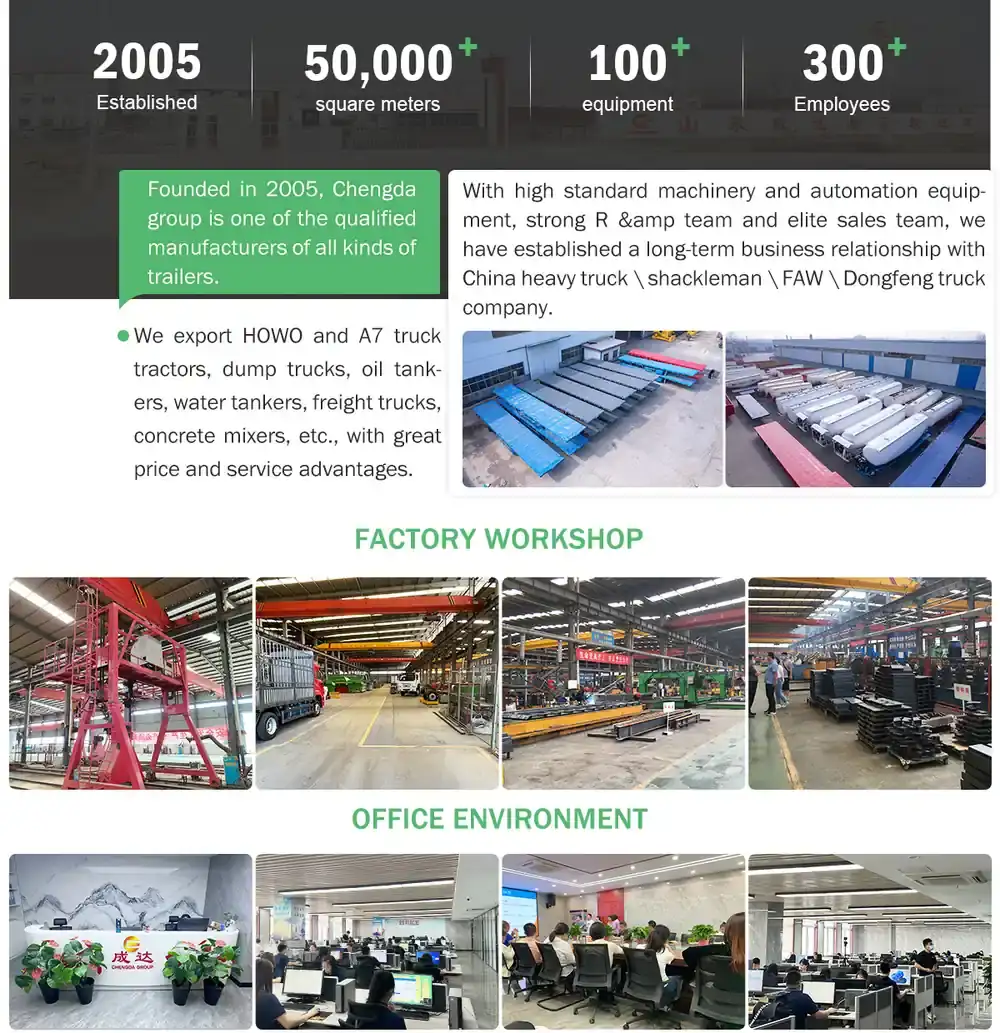
For current pricing, shipping options to African and Latin American ports, and detailed technical specifications, contact the team at Shandong Chengda Auto Sales Co., Ltd.