Minibus vs Passenger Van — The Basic Difference
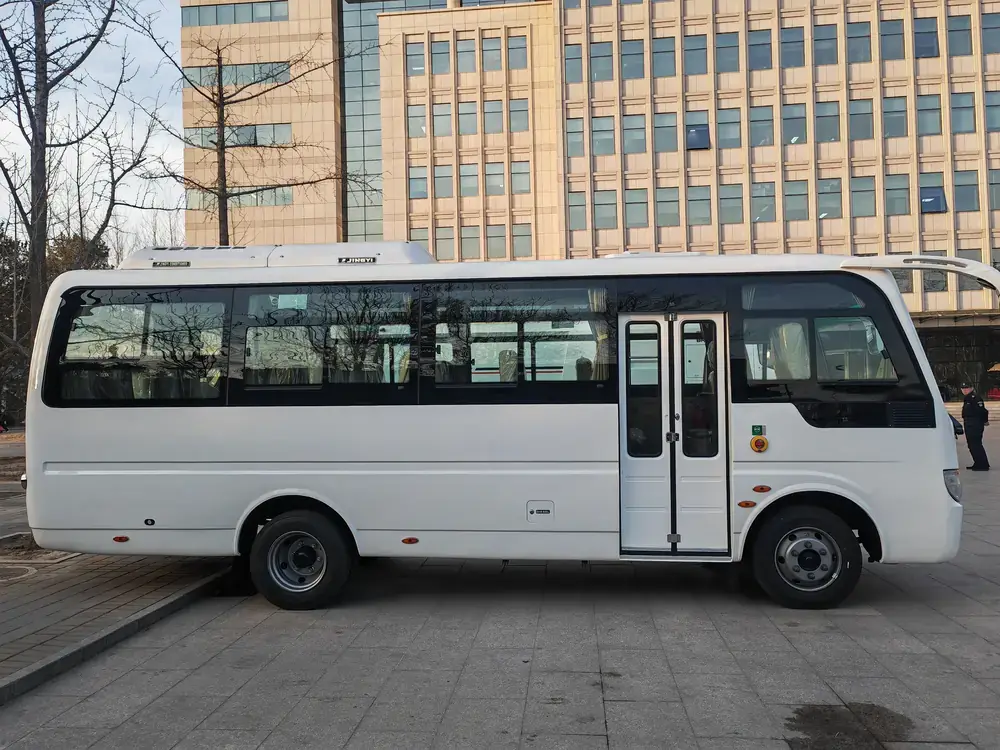
A minibus is purpose-built for people. The Foton Minibus seats 9 to 15 passengers, runs a petrol inline-4 electronic fuel injection engine with a 5-speed manual transmission, and rides on front independent suspension with 195/70R15C radial tires. Braking is front disc / rear drum with ABS and EBD. Its priorities: passenger comfort, fuel economy, maneuverability in city traffic.
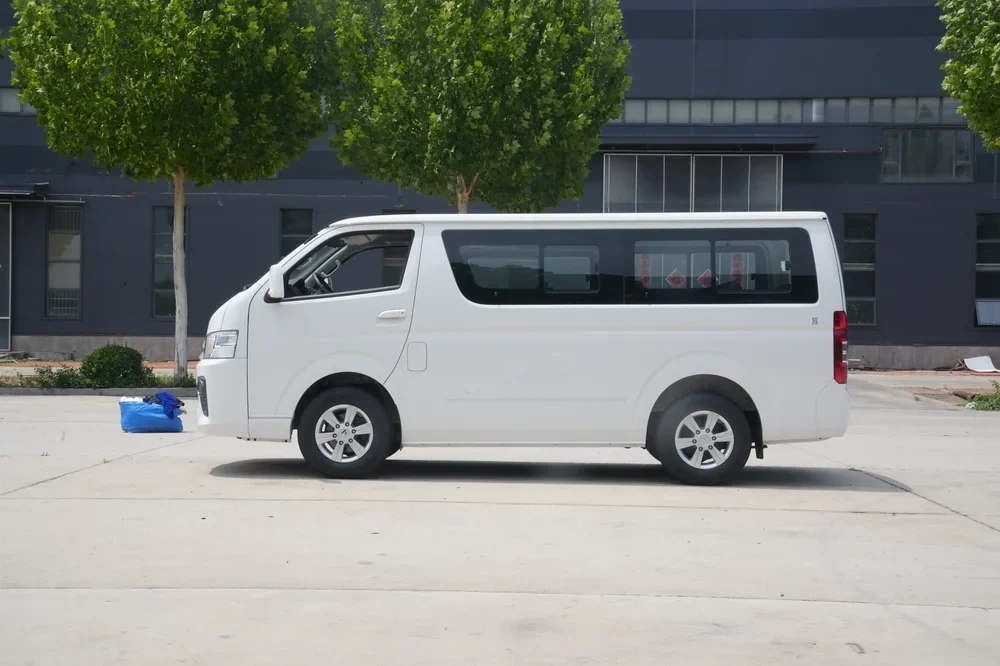
A passenger van shares a platform with commercial vans — reinforced high-strength steel chassis, commercial diesel engine, heavy-duty drivetrain. The Foton G7 Passenger Van offers high-density seating for larger groups. Upsized variants go further: the Foton G9 (16 seats, Cummins diesel) and TOANO (18 seats, Cummins diesel). Their priorities: durability under high-frequency use, lower per-passenger operating costs.
Which Vehicle Fits Which Route?
Urban and Suburban Shuttles
Fixed city routes, frequent stops, paved roads, tight schedules. Best fit: minibus. Independent front suspension delivers a smoother ride on city streets. The petrol engine is quieter at idle and low speed — an advantage when stopping at hotels or in residential areas. The 9–15 seat range matches typical shuttle demand: running a larger vehicle half-empty wastes fuel without generating extra revenue.
High-Density Staff Commuter Routes
Moving employees between a depot and a work site — factory, mine, construction camp. Every empty seat is a wasted trip. Best fit: higher-capacity passenger van. The G9 (16 seats) and TOANO (18 seats) with Cummins diesel engines excel here: maximum passengers per liter of fuel. Diesel torque at low RPM handles a full load efficiently, and the reinforced chassis is built for maximum-capacity operation day after day.
Intercity and Regional Routes
Towns 150–300 km apart, mixed road surfaces, passengers with luggage, trips lasting two to four hours. Choice depends on volume. Under 12 passengers: minibus — independent suspension and lower cabin noise matter on long journeys, and passenger comfort drives repeat business. Over 15 passengers: diesel van — Cummins power handles sustained highway cruising with a full load, and diesel's efficiency advantage grows with distance. For routes with unpaved sections, the van's tougher chassis and leaf-spring rear suspension handle rough surfaces better than the minibus's comfort-tuned setup.
Tourism and Hospitality Transport
Airport transfers, hotel-to-attraction shuttles, safari lodge transport. Passenger experience is paramount. Best fit: minibus or premium van. The petrol minibus is quieter at idle — important when waiting outside a lobby — and the independent suspension delivers a smoother tourist-grade ride. For lodges needing both paved transfers and gravel tracks, a Cummins-powered van may be the better all-rounder: sturdier chassis and diesel torque for variable terrain.
Operating Costs at a Glance
| Cost Factor | Minibus (Petrol) | Passenger Van (Diesel) |
|---|---|---|
| Purchase price | Lower — simpler platform | Higher — especially Cummins-powered models |
| Fuel economy under load | Weaker — petrol efficiency drops with weight | Stronger — diesel thermal efficiency advantage grows with load |
| Routine maintenance | Simpler — no turbo, basic fuel system | More involved — turbo, intercooler, high-pressure injection |
| Engine longevity | Good with proper maintenance | Generally longer — diesel blocks built for higher compression |
| Parts network | Foton regional distributors | Foton distributors + independent Cummins global network (G9/TOANO) |
Bottom line: the minibus costs less to buy and maintain per event, but may cost more per passenger-kilometer on crowded routes. The diesel van costs more upfront but can deliver lower per-passenger costs when consistently filled. Neither is universally cheaper.
Decision Checklist
Pick a minibus if:
You carry 15 or fewer passengers
Routes are urban or suburban, mostly paved
Passenger comfort and quietness are competitive advantages
Upfront capital budget is your main constraint
You operate in tourism, hospitality, or school transport
Pick a passenger van if:
You need 16–18 seats per trip
Routes include unpaved or variable-quality roads
Daily mileage is high — diesel efficiency matters
Your priority is minimizing per-passenger operating cost
You run staff commuter or intercity services
Conclusion
The right answer depends entirely on your route. A Foton Minibus on a 12-passenger paved hotel shuttle will be cheaper to run and more pleasant to ride than a half-empty diesel van. A Foton TOANO 18-seat diesel van carrying a full load of workers on a mixed-surface commuter run will outperform a minibus on both capacity and durability. Start with your route data — passenger count, distance, road surface, daily cycles — and let those numbers point to the right vehicle.
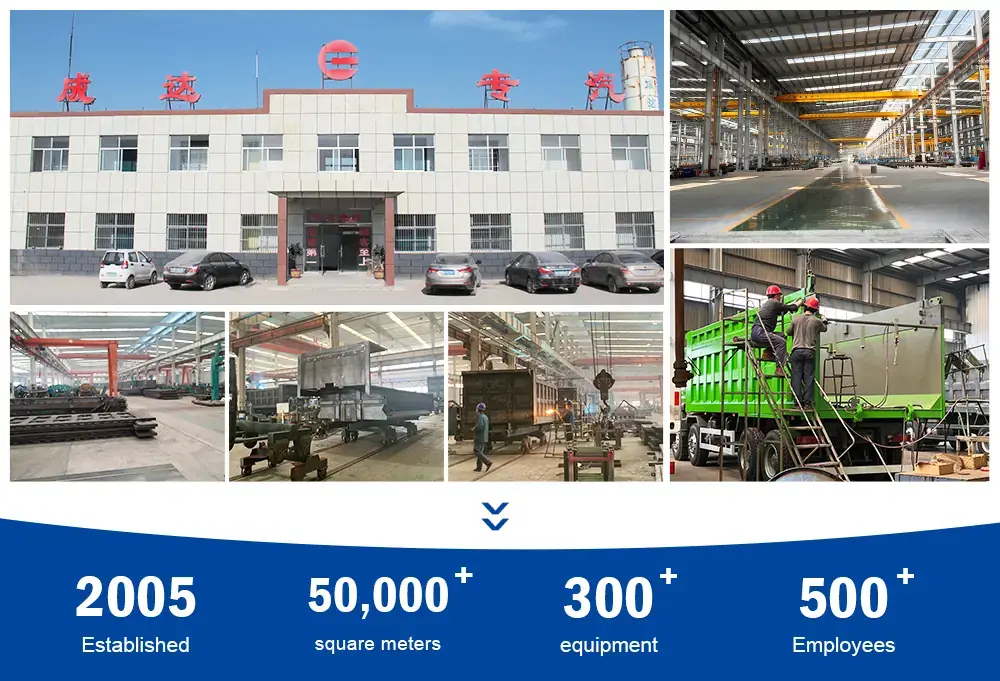
For specifications, configuration options, and pricing on the full Foton passenger range — minibuses, G7/G9/TOANO vans, Coaster-style buses, and the BJ6113 11-meter big bus — contact Shandong Chengda Auto Sales Co., Ltd.