How to Extend the Lifespan of Your Tipper Truck: A Complete Maintenance Guide for Construction Fleets
In the heavy construction and mining sectors, fleet operational efficiency hinges directly on machinery reliability. Knowing how to extend the lifespan of your tipper truck is not just a matter of mechanical pride; it is a critical strategy to protect your bottom line. Construction fleets routinely operate under severe, unforgiving conditions where dust, extreme payloads, and continuous hydraulic cycling accelerate wear and tear. Without a structured, preventative strategy, a premium asset can quickly devolve into a costly liability. This comprehensive guide delivers actionable, data-driven maintenance protocols designed to slash unplanned downtime, control your Total Cost of Ownership (TCO), and maximize your fleet's operational longevity.
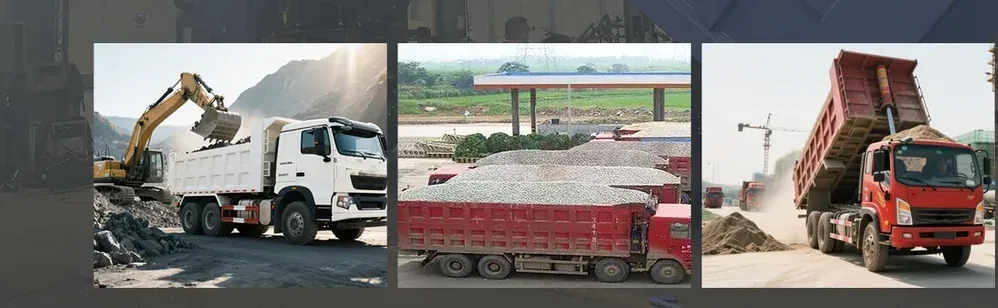
Comprehensive Tipper Truck Maintenance Checklist by Operational Milestones
To successfully manage a commercial fleet, maintenance cannot be a guessing game. It must be broken down into strict, repeatable operational milestones.
Daily Pre-Trip Inspections: The First Line of Defense
Every shift must begin with a rigorous walk-around inspection. Drivers should be trained to spot minor anomalies before they cascade into catastrophic mechanical failures.
Fluid Level Audits: Check engine oil, coolant, and brake fluid reservoirs. Low levels frequently point to underlying seals breaking down or minor leaks.
Tire Pressure and Tread Depth: Incorrect inflation drastically reduces tire lifespan and compromises stability under maximum payload. Look for uneven wear patterns, which indicate misalignment.
Visual Leak Inspection: Scan the ground beneath the chassis for signs of fresh oil, hydraulic fluid, or coolant pools.
Weekly Fluid and Hydraulic System Checks
The hydraulic lifting mechanism is the literal heart of a tipper truck. Its failure completely neutralizes the vehicle’s primary utility.
Hydraulic Fluid Integrity: Inspect the fluid color. Milky fluid indicates water contamination, while a dark, burnt aroma signals severe overheating. Both states require an immediate flush.
Cylinder and Hose Audits: Run a physical check along all hydraulic hoses for abrasions, kinks, or weeping fittings. Ensure the chrome on the hoisting cylinder is free from scoring and pits.
Grease Points: Liberally lubricate all major friction points, including the tailgate hinges, hoist pivot pins, and steering knuckles, to purge trapped grit.
Monthly Structural and Chassis Integrity Reviews
Carrying tons of aggregate across uneven off-road topography exerts immense twisting forces on a vehicle's frame.
Chassis Weld Inspections: Clean away caked mud to meticulously inspect crossmembers and main frame rails for stress fractures or deep structural rust.
Suspension and Leaf Springs: Check for cracked leaf spring packs, worn shackle bushings, and leaking shock absorbers that compromise heavy-load stability.
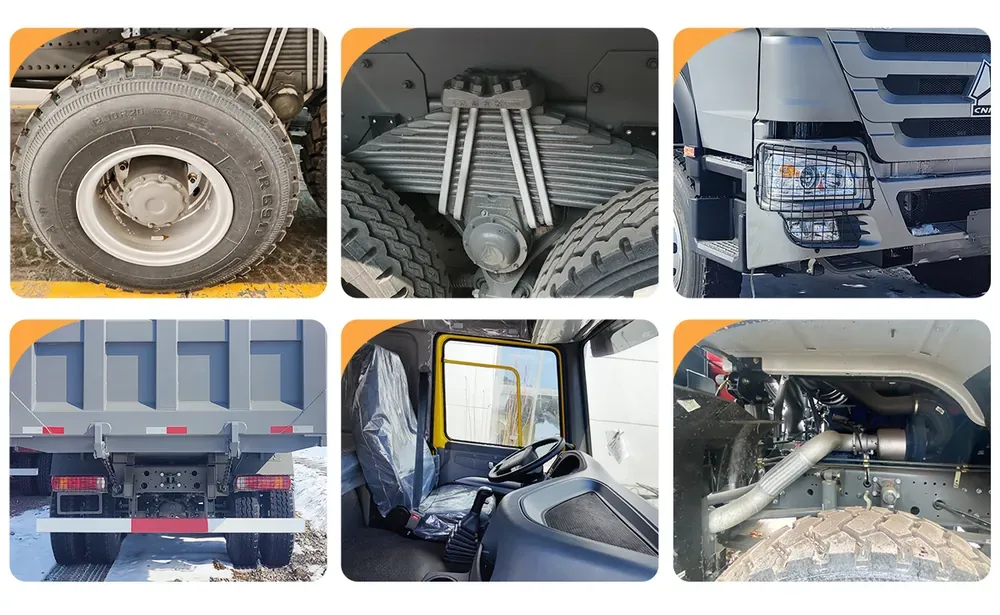
Addressing Severe Application Challenges in Harsh Construction Environments
Managing Maximum Payload Stress and Axle Overload
Consistently operating at or near maximum payload capacity accelerates component fatigue across the entire drivetrain. Overloading places immense strain on axles, wheel bearings, and the transmission. Fleet managers must implement strict payload monitoring using on-board weighing scales. Overloading by even 10% can reduce the service life of critical drivetrain components by up to 30%, drastically inflating your long-term TCO.
Mitigating Off-Road Dust, Debris, and Corrosion
Construction environments are hotbeds for airborne particulate matter. Dust clogs air filtration systems rapidly, leading to poor air-to-fuel ratios and premature engine cylinder wear.
Air Intake Systems: Implement high-efficiency dual-element air filters and utilize restriction indicators to replace filters based on actual contamination rather than arbitrary calendar dates.
Corrosion Mitigation: Hauling materials like wet sand, concrete, or chemicals creates a highly corrosive environment. Implement weekly high-pressure undercarriage washes to prevent rust from compromising structural frame integrity.
Advanced Strategies to Future-Proof Your Commercial Tipper Fleet
Adhering to Modern Emission Standards and TCO Optimization
Modern tipper trucks are equipped with complex aftertreatment systems (such as DPF and SCR) to comply with stringent global Emission Standards. Neglecting these systems leads to forced engine derates and expensive replacements. Ensure your fleet uses high-grade Diesel Exhaust Fluid (DEF) and executes regular, uninterrupted regeneration cycles to keep exhaust systems clean and optimize fuel economy.
Transitioning to Predictive Maintenance Software
The future of fleet management lies in telematics. By monitoring real-time data streams—such as engine oil temperature, hydraulic pressure spikes, and brake wear metrics—predictive maintenance software alerts fleet managers to imminent component failures weeks before a dashboard warning light activates.
Q1: How often should the hydraulic fluid in a tipper truck be replaced?
Answer: Under normal operating conditions, hydraulic fluid should be completely flushed and replaced every 1,000 to 1,500 operating hours, or at least once a year. However, if the truck operates in highly dusty environments or undergoes high-frequency tipping cycles, the fluid should be tested quarterly and replaced at the first sign of oxidation or contamination.
Q2: What causes a tipper truck hydraulic system to lose lifting power?
Answer: Loss of lifting power is typically caused by low hydraulic fluid levels, a worn or failing hydraulic pump, internal bypass leaks within the lifting cylinder, or a clogged suction filter. Inspect the system immediately for pressure drops to prevent total pump cavitation.
Q3: How do I prevent chassis cracking on a heavy-duty tipper truck?
Answer: Prevent chassis cracking by strictly adhering to rated payload limits, ensuring even load distribution within the dump bed, and routinely lubricating suspension components. Additionally, avoid high-speed travel over rough, unpaved terrain while fully loaded.
Q4: Why is regular grease application critical for tipper truck bins?
Answer: The rear hinge pins and hoist pivot points bear the entire weight of the payload during discharge. Regular grease application creates a protective barrier that reduces friction, prevents metal-on-metal grinding, and expels abrasive dirt and moisture from the moving joints.
Q5: How do modern emission standards affect tipper truck engine maintenance?
Answer: Modern emission standards require advanced aftertreatment systems like Diesel Particulate Filters (DPF). These require high-quality, low-ash engine oils and routine highway-speed driving (or stationary parked regenerations) to burn off accumulated soot and prevent costly exhaust blockages.