Optimizing Dump Truck Capacity for Large-Scale Construction Projects
In mega-engineering projects, fleet efficiency dictating profitability is an absolute reality. Selecting the optimal dump truck capacity is not merely a logistical checklist item; it is a critical financial decision that directly influences your project's Return on Investment (ROI). Under-loading leads to excessive trips, skyrocketing fuel consumption, and project delays. Conversely, overloading accelerates mechanical wear, violates strict safety regulations, and triggers costly fleet downtime.
To maintain a competitive edge, fleet managers must adopt a data-driven approach to payload optimization, balancing mechanical constraints with site dynamics to achieve peak operational efficiency.
Understanding Dump Truck Capacity: Volumetric vs. Gravimetric Metrics
When engineering a heavy-duty fleet, decision-makers often look at raw numbers, but context is everything. Dump truck capacity must always be evaluated through two distinct lenses: gravimetric (weight-based) and volumetric (volume-based) capacity.
Important Note: A vehicle’s Gross Vehicle Weight Rating (GVWR) determines its maximum legal and mechanical payload capacity. Exceeding this gravimetric limit, even if the truck bed is volumetrically half-empty, compromises the vehicle's structural integrity.
Striking the Balance: Struck vs. Heaped Capacity
Struck Capacity: The volume of material the truck bed can hold when filled perfectly level with the top of the sideboards.
Heaped Capacity: The total volume including the material mounded above the sideboards, typically calculated at a 2:1 slope profile based on SAE standards.
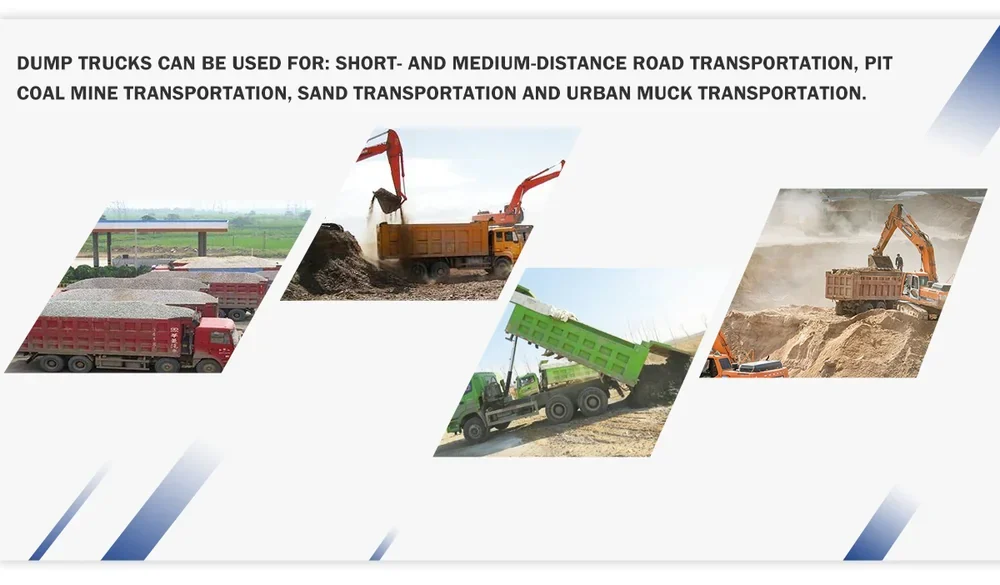
Key Factors Influencing Heavy-Duty Tipper Capacity Selection
Selecting the right vehicle goes far beyond picking the biggest model available. To achieve seamless synergy on-site, a thorough cross-examination of project variables is required.
1. Material Density and Bulking Factors
Not all earthmoving materials are created equal. A cubic meter of loose dry sand behaves differently than wet blasted granite. When material is excavated, it experiences a "swelling or bulking factor"—meaning it expands in volume due to introduced air pockets.
2. Haul Road Conditions and Site Topography
The terrain of your job site dictates the mechanical constraints of your fleet.
Rigid Frame Tippers: Best suited for well-maintained, hard-packed haul roads with minimal gradients, typical in massive mining operations.
Articulated Models: For rugged, muddy, or steep terrains common in early-stage infrastructure development.
Choosing a high-tonnage rigid tipper for a muddy, unpaved terrain will result in frequent immobilization, neutralizing any capacity advantage.
3. Excavator Pass-Matching Optimization
Your haulers do not operate in a vacuum; they must match your loading equipment. The golden rule of fleet logistics is the 3-to-5 pass match.
If your excavator bucket capacity takes 7 or 8 passes to fill a single truck, your cycle times slow down, causing severe bottlenecks. If it takes only 1.5 passes, you risk damaging the truck bed and underutilizing the excavator’s potential. If your infrastructure demands rapid cycle times, investing in high-capacity [Rigid Dump Trucks] paired with a synchronized heavy excavator is the most viable path to scaling throughput.
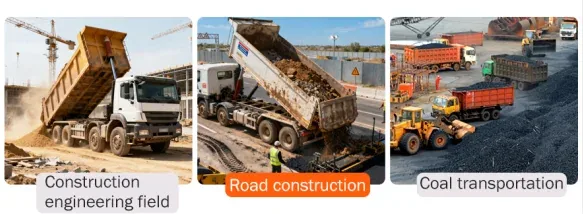
By precisely aligning your dump truck capacity with site conditions and production targets, you dramatically lower the cost-per-ton index. Optimized fleets slash fuel overheads, minimize tire wear, and lengthen preventive maintenance intervals—transforming heavy machinery from a heavy cost center into a streamlined asset.
Investing time into analyzing material specs, pass-matching, and terrain constraints prior to acquisition ensures your business avoids project delays and unexpected maintenance costs. Partnering with a reliable machinery provider to run fleet simulations is the most secure method for safeguarding your project margins and unlocking long-term operational success.
Frequently Asked Questions
Q1: What is the standard payload capacity of a large-scale construction dump truck?
A: For large-scale construction, standard payload capacities typically range from 30 to 55 US tons (approx. 27 to 50 metric tonnes) for articulated models, while rigid frame mining trucks can easily scale from 60 tons up to over 400 tons depending on project scope.
Q2: How does material moisture content affect dump truck capacity calculations?
A: Moisture significantly increases gravimetric density without changing volumetric size. Wet clay or soil can weigh up to 30% more than dry material, meaning a truck will hit its maximum weight capacity limit much faster, requiring smaller volumetric loads to prevent overloading.
Q3: What happens if you exceed a commercial tipper’s GVWR?
A: Overloading beyond the Gross Vehicle Weight Rating (GVWR) compromises braking efficiency, stresses the hydraulic lifting cylinders, accelerates tire degradation, voids manufacturer warranties, and poses severe on-site safety hazards.
Q4: How do modern fleet telematics help manage dump truck capacity?
A: Modern telematics systems utilize real-time pressure sensors in the vehicle’s suspension to track payload weights instantly during loading. This data is transmitted to operators and managers to guarantee maximum capacity utilization while strictly preventing overloading.