Light Trucks & Minibuses: The Growing Last-Mile Solution in Africa
Across Africa's rapidly urbanizing economic corridors — from the sprawling commercial districts of Lagos to the emerging logistics hubs of Nairobi and Dar es Salaam — a quiet revolution is reshaping the continent's transport landscape. While heavy-duty tractor trucks and semi-trailers remain the backbone of long-haul freight, the fastest-growing segment of commercial vehicle demand now lies at the opposite end of the scale: light trucks and minibuses engineered for last-mile delivery, urban passenger transit, and intra-city logistics.
The Urbanization Driving Force
Africa is urbanizing faster than any other region on the planet. According to recent UN-Habitat projections, the continent's urban population is expected to triple by 2050, with over 60% of Africans living in cities. This demographic shift is not merely a statistic — it is a fundamental restructuring of how goods and people move.
For fleet operators and transport entrepreneurs, this creates an acute demand for vehicles that can navigate congested city streets, access narrow market alleyways, operate on partially paved roads, and deliver smaller, more frequent loads. The 40-ton articulated truck that excels on the Mombasa–Kampala corridor is simply not the right tool for distributing consumer goods from a warehouse in Kigali to neighborhood retailers. This is where light commercial vehicles enter the picture.
The Last-Mile Gap
Last-mile delivery — the final leg of the supply chain from distribution center to end customer — has historically been a pain point across African markets. Traditional solutions have relied on informal transport: motorcycles, three-wheelers, and aging imported minibuses pressed into cargo duty. These improvised approaches carry significant downsides: poor load security, no cold-chain capability, high accident rates, and unpredictable delivery times.
A purpose-built light truck or cargo van changes the equation entirely. Enclosed cargo shells protect goods from weather and theft. Turbocharged diesel engines deliver fuel economy that informal alternatives cannot match. Factory-engineered suspension systems handle the mixed road conditions that define African urban and peri-urban routes. And perhaps most critically, a new vehicle comes with manufacturer support, warranty coverage, and a predictable total cost of ownership — advantages that used Japanese or European imports, often arriving with unknown maintenance histories, simply cannot offer.
Passenger Transport: The Minibus Opportunity
On the passenger side, the opportunity is equally compelling. Africa's public transit infrastructure remains underdeveloped in most cities. Formal bus rapid transit (BRT) systems exist in only a handful of metros. The result is a continent-wide reliance on privately operated minibuses — known as matatus in Kenya, danfos in Nigeria, and tro-tros in Ghana — to move millions of commuters daily.
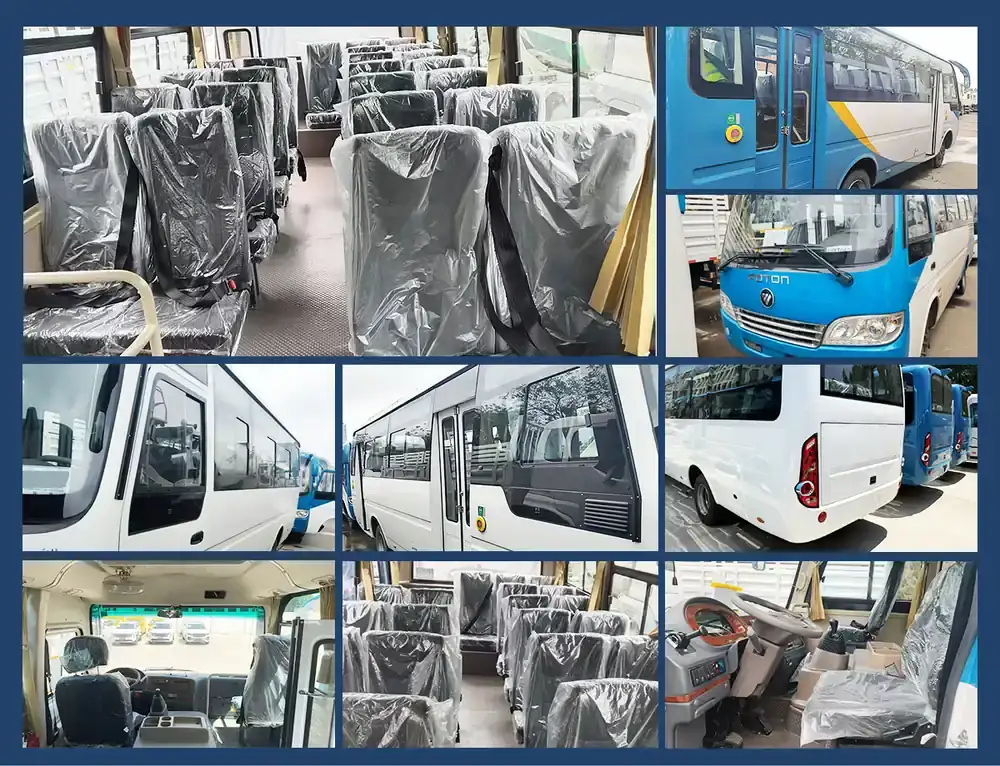
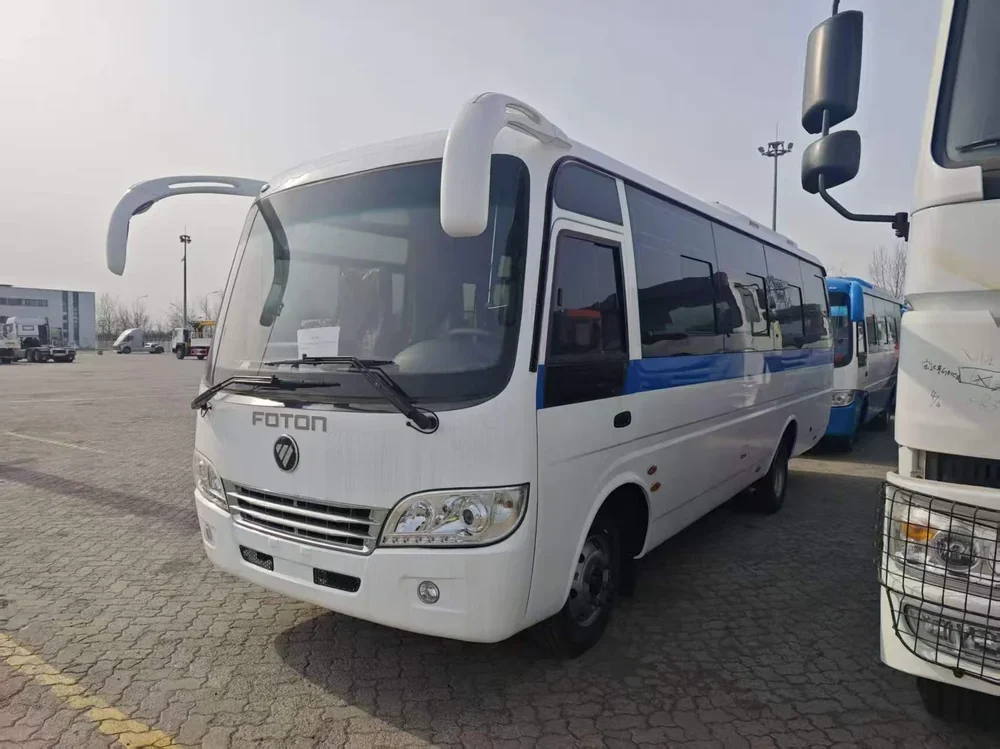
For fleet owners in this segment, vehicle quality directly impacts profitability. A modern minibus with robust air conditioning, comfortable seating, and reliable mechanicals commands higher fares, attracts repeat customers, and spends fewer days off the road. Foton's C2 Minibus and View CS2 Passenger Van, for instance, are engineered specifically for this operating environment: high-roof body architecture for passenger comfort, heavy-duty commercial chassis for durability on rough roads, and fuel-efficient powertrains that keep per-kilometer operating costs low.
The tourism and hospitality sector represents an additional, rapidly expanding channel. As African governments prioritize tourism as a foreign exchange earner, the demand for reliable airport shuttles, hotel transfer vehicles, and safari-lodge transport grows in lockstep. Operators in markets like Tanzania, Kenya, Rwanda, and Ghana increasingly seek new, branded minibus fleets that project a modern image to international visitors — a segment where the Foton View CS2 Passenger Van and Foton Bus have gained strong traction.
Cargo Vans: Enabling E-Commerce and Modern Retail
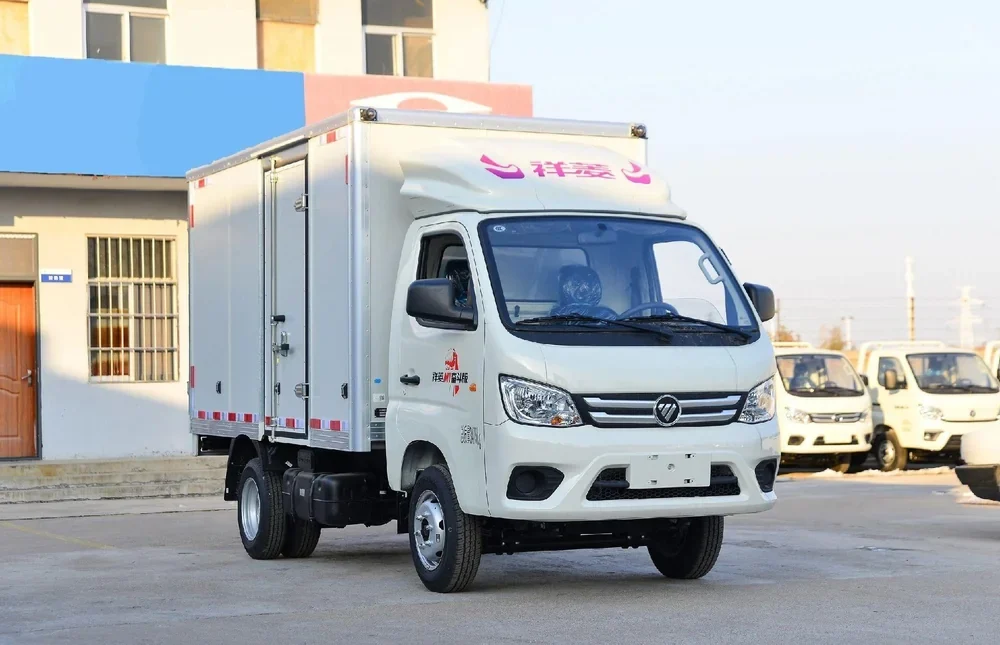
The rise of e-commerce across Africa — led by platforms like Jumia, Kilimall, and a growing ecosystem of B2B wholesale apps — is generating unprecedented demand for enclosed cargo vans. Unlike open pickup trucks, a panel van like the Foton View CS2 Cargo Van or Foton C2 Panel Van offers secure, weatherproof transport for everything from electronics and pharmaceuticals to packaged food and clothing.
Key advantages for African e-commerce and retail logistics operators include:
Cargo security: Fully enclosed blind-panel shells with lockable rear doors eliminate pilferage — a persistent concern in many markets.
Load flexibility: High-roof designs accommodate bulky items without sacrificing maneuverability in tight urban settings.
Fuel economy: Modern turbo-diesel engines in the 2.0–2.8L range deliver fuel consumption figures that dramatically reduce the single largest operating cost for delivery fleets.
Driver comfort: Air conditioning, power steering, and ergonomic cabins reduce driver fatigue and improve retention — a non-trivial advantage in markets with skilled driver shortages.
Regional Hotspots
While the light commercial vehicle opportunity spans the continent, several markets stand out for near-term growth:
Nigeria: Africa's largest economy and most populous nation. Lagos alone generates enormous demand for intra-city cargo and passenger movement. The federal government's ongoing investment in road infrastructure and the rapid expansion of formal retail chains create sustained demand.
Kenya: A regional logistics hub with a growing middle class and a sophisticated e-commerce ecosystem. Nairobi's traffic congestion makes compact cargo vans particularly valuable.
Tanzania: Dar es Salaam's port expansion and the government's industrialization drive are fueling demand for distribution vehicles connecting the port to inland markets.
Ghana: Political stability, rising consumer spending, and a well-developed road network in the southern corridor make Accra and Kumasi attractive markets for light commercial vehicles.
Rwanda & Uganda: Smaller but fast-growing markets where vehicle quality and after-sales support are key differentiators.
A Smarter Investment for African Fleet Owners
For African transport entrepreneurs weighing their next fleet investment, the calculus increasingly favors new light commercial vehicles over used imports. The total cost of ownership equation — factoring in fuel, maintenance, downtime, and residual value — often tips decisively toward new units when the comparison window extends beyond the first year of operation. Add manufacturer warranty, spare parts availability through authorized channels, and the professional image a new vehicle projects to clients, and the value proposition becomes compelling.
As Africa's cities grow denser and its consumer markets deepen, the light truck and minibus segment will continue to expand. For fleet operators, logistics companies, tourism enterprises, and institutional buyers, the question is not whether to invest in modern light commercial vehicles — but how quickly they can deploy them to capture the opportunities unfolding across the continent.