In the international freight forwarding and cross-border trucking ecosystem, the tractor unit often captures the bulk of operational attention. However, seasoned logistics managers know that an unmaintained semi-trailer is a ticking financial time bomb. A single roadside failure on a remote transnational corridor can cost thousands of dollars in emergency towing fees, cause hazardous cargo spoilage, and ruin contractual client relationships.
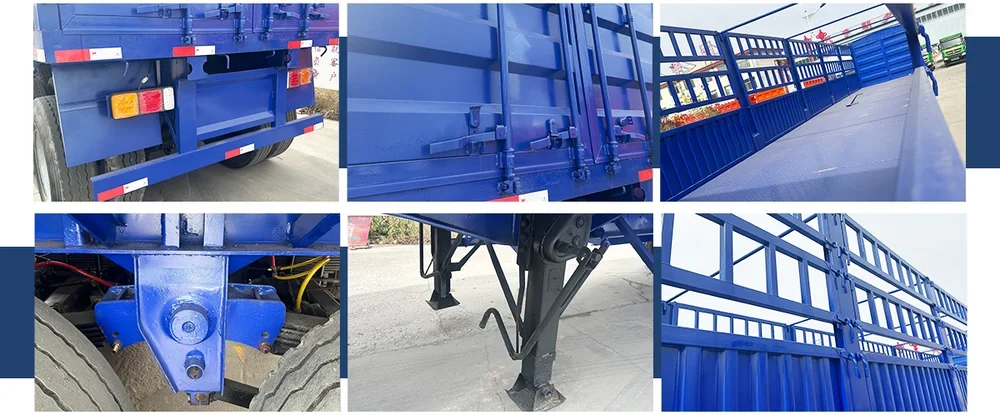
To support global supply chains in reducing unexpected operational friction, Chengda Group, a top-tier global exporter and manufacturer of specialized semi-trailers, has released its engineered structural advisory: "5 Critical Maintenance Tips for Semitrailers to Prevent Breakdowns on Long-Haul Routes."
"Our field service data shows that while tractor units are carefully maintained due to automated dash diagnostic systems, trailers are often neglected until a catastrophic component tear occurs," noted the Chief Technical Inspector at Chengda Group. "A semi-trailer carries 100% of the payload and absorbs intense kinetic stress from heavy braking and structural twisting. Regular, disciplined preventative maintenance is the only way to safeguard your fleet’s ROI."
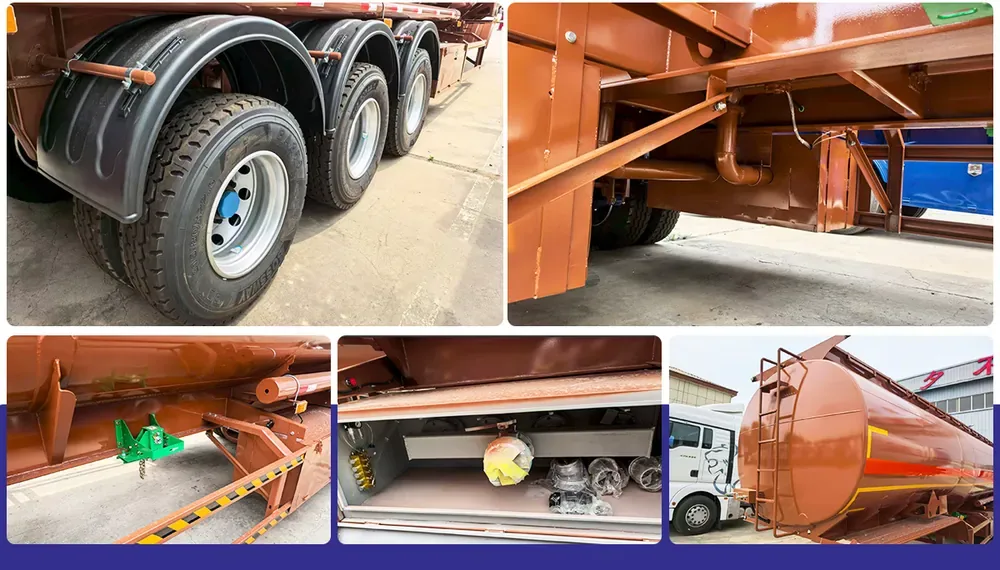
Chengda Group’s engineering support team strongly urges commercial fleets to embed the following five critical checks into their standard long-haul maintenance schedules:
1. The Pneumatic Brake and ABS Integrity Check
Long-haul descents place heavy demands on a trailer’s pneumatic system. Operators must inspect air lines for subtle rubber weathering or dry rot cracks, which cause localized air pressure leaks. Drain moisture reservoirs weekly; condensed water in the brake lines rusts internal valves and can freeze in colder cross-border regions, causing a complete system lockup. Ensure the Anti-lock Braking System (ABS) wiring harnesses are secure and uncorroded to prevent dangerous jackknifing.
2. Tire Inflation and Tread Uniformity Management
Trailer tires endure intense lateral dragging force during tight cornering. Under-inflation is the leading cause of tire blowouts because it builds up extreme internal heat within the sidewalls under maximum payload. Use a calibrated pressure gauge weekly to ensure tires match the recommended PSI. Check for irregular wear patterns—such as cupping or flat-spotting—which often signal bent trailer axles or failing mechanical suspensions.
3. Kingpin and Fifth-Wheel Coupling Inspection
The kingpin is the single anchor point connecting the entire loaded semi-trailer to the tractor. Drivers must regularly scrape off contaminated, grit-filled grease from the trailer upper coupler plate. Use a precision micrometer to check for physical wear or microscopic flat spots on the kingpin shaft. If the kingpin dimensions slip below international tolerance thresholds, the risk of high-speed decoupling increases exponentially. Re-lubricate generously with high-grade lithium grease.
4. Electrical System and LED Wiring Reliability
A semi-trailer with malfunctioning marker lights, turn signals, or brake lamps invites severe highway safety hazards and costly compliance fines at weight stations. Inspect the 7-way electrical receptacle for loose pins or green copper corrosion. Road grime and water splashes can compromise wiring junctions; ensure all wiring cables are routed inside protective polymer conduits and securely tied off away from moving suspension parts.
5. Landing Gear Lubrication and Torque Check
When semi-trailers are uncoupled at port terminals or distribution yards, the landing gear bears the entire forward payload. Long-haul routes expose these gears to relentless water, salt, and dirt spray. Technicians should pump clean grease into the high/low gearboxes twice a year and check for bent structural braces. A seized landing gear leg can trap a trailer or collapse under a full container load.
By shifting from a reactive "fix-it-when-it-breaks" approach to this proactive engineering framework, transport logistics companies can minimize highway downtime, protect valuable client cargo, and extend the revenue-generating lifespan of their trailer assets.
About Chengda Group
Chengda Group is a leading, globally recognized heavy automotive and semi-trailer manufacturer. The company specializes in producing rugged flatbed trailers, lowbed drop-decks, skeleton container chassis, fuel tank trailers, and heavy-duty brand tipper and tractor trucks. Engineered using advanced high-tensile steel and certified automated welding, Chengda's transportation solutions offer superior payload capacities and unparalleled structural longevity to global clients across Africa, Latin America, Southeast Asia, and the Middle East.